GM Lazy Summer DAO,
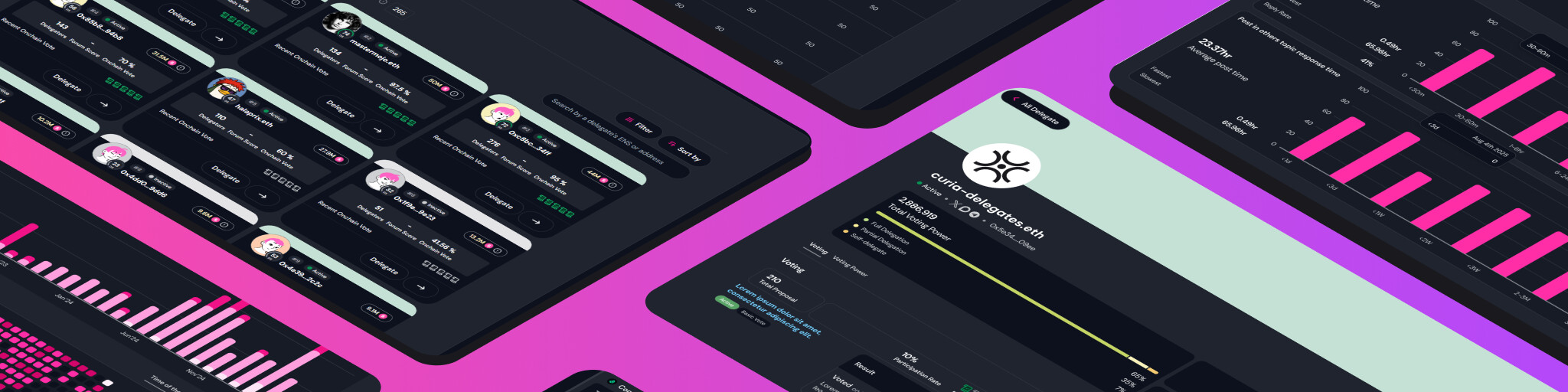
With the realization of Governance V2 just last week and $SUMR transferability approaching in January, we are evolving from a curated yield platform into a community-governed, revenue-sharing ecosystem.
With these major shifts, the stakes are immense. Governance now controls every major lever of the protocol, from revenue sharing parameters to incentive allocation, and the responsibility lies squarely with our delegates to ensure these systems reward aligned participation while preserving protocol health.
We believe the true power of Lazy Summer lies in its ability to make DeFi transparent, accessible, and automated. Just as our vaults offer a “set-it-and-forget-it” yield experience, our governance infrastructure must be equally robust and reliable. To ensure this integrity, we are launching the Lazy Summer Delegate Dashboard as a public good for the community.
Don’t Trust, Verify. Our goal is simple: to provide a clear, data-driven view of delegate activity. This dashboard empowers every $SUMR holder to monitor performance and hold representatives accountable. As we vote on decisions that will fundamentally shape the protocol’s future and value accrual mechanisms, this level of transparency is not just a feature; it is essential for maintaining a truly decentralized and effective DAO.
Live Dashboard: https://summerfi.curiahub.xyz/delegate
This thread will serve as:
-
A hub for updates and new features.
-
A space for community feedback to help us refine this vital tool.
-
Where we can work together to define what makes a high-quality Lazy Summer delegate.
Dashboard Overview
The dashboard provides delegate-centric insights to make Lazy Summer governance more accessible and transparent, reinforcing the accountability of those entrusted with voting power over the protocol and its substantial treasury.
Key Features
- Delegate Tracking Gain detailed insights into the role of delegates within governance, including:
-
Delegate Name: Displays the name or ENS (Ethereum Name Service) address of the delegate.
-
Delegated Token (% Voting Power): This represents the percentage of total votable tokens that have been delegated to a specific delegate.
-
Delegators: The number of unique addresses who have delegated their tokens to a particular delegate.
-
Forum Score: This score is designed to provide a quantifiable measure of a delegate’s activity and engagement in DAO governance discussions.
-
Onchain Vote: This represents the participation rate over the first proposal the delegate started voting on Onchain proposal.
-
Most Onchain Recent Votes: Shows the latest 5 onchain voted/not voted/not member by the delegate.
-
Status:
-
Active: A delegate actively engaged in voting. They’ve either voted on over 50% of the proposals since their first vote or participated in the latest 5 proposals.
-
Inactive: A delegate with limited voting activities, having participated in less than 50% of the proposals since their first vote.
-
Ghost: A delegate who, despite receiving delegation, hasn’t exercised their voting power.
-
- Forum Score Integration To get your Forum Score to appear, you need to link your accounts. It’s a quick process to prove you own both your wallet and your forum profile.
How to Verify Your Score
-
Connect your wallet to your delegate wallet on https://summerfi.curiahub.xyz/delegate
-
Link your forum account by entering your forum name.
-
Sign a verification message to confirm your identity with your forum handle.
-
Post the generated signature text: Copy the message.
-
Go to the forum and post the generated signature text under this thread.
-
Return to https://summerfi.curiahub.xyz/delegate to complete the verification process.
What’s Next
The dashboard today is just a starting point. To make it truly useful, we need your help to shape its future. Here are two key areas where we’d love your input:
-
Delegate Score
A meaningful Delegate Score should reflect our collective values. What does a great delegate look like to you? Here are our initial ideas for metrics to start the conversation:
| Metric | Definition | Why It Matters |
|---|---|---|
| Voting Participation Score | Measures the percentage of proposals a delegate has voted on since their first eligible proposal. | Ensures delegates consistently represent Lazy Summer DAO, upholding the Reliability of our governance system. |
| Voting Impact Score | Evaluates how often a delegate’s vote aligns with the final passing outcome, adjusted by the voting power they used. | Highlights delegates who effectively contribute to securing the protocol. |
| Voting Timeliness Score | Tracks how early in the voting window a delegate casts their vote, rewarding proactive participation. | Encourages proactive participation, allowing for deeper community discussion and alignment before decisions are finalized. |
| Rationale Submission Score | Assesses how frequently a delegate provides explanations for their votes, both onchain and in forum discussions. | Promotes Integrity, allowing any member of Lazy Summer DAO to understand the reasoning behind a delegate’s decisions. |
| Forum Score | Quantifies offchain governance engagement, such as forum discussions, proposal feedback, and proposal initiations. | Recognizes vital offchain contributions that Strengthen the Lazy Summer DAO, a primary goal of our governance system. |
| Number of Votes Cast | Simple count of proposals voted on, adjusted for activity windows. | Offers a baseline indicator of a delegate’s overall activity level. |
-
Activity Status Definitions
Are our current definitions for Active, Inactive, and Ghost fair and useful? What would you change?
How You Can Help
This is a community tool, and your input is what will make it truly valuable for Lazy Summer DAO. We’d love for you to get involved by:
-
Share feedback on the current dashboard features.
-
Discuss about the Delegate Score. Are these the right metrics? What did we miss? How should they be weighted?
-
Help us improve our definitions. Your perspective is essential to making this tool fair and accurate.

